Embroidery Questions?
Get help
Browse our collection of educational articles.
We have over 20 videos covering a variety of topics
Whether you're learning to hoop plush toys, testing stabilizers, or exploring the best thread tension tricks, our videos are here to help you stitch smarter—not harder.
Dive into tutorials, reviews, and how-to content from real experts in machine embroidery.
we have a blend of videos for machine embroidery
Erase Embroidery Mistakes In Seconds
How to Remove Embroidery Mistakes Fast with a Stitch Remover
The Embroidery Tool You Didn’t Know You Needed
Stop Wasting Money on Bad Embroidery Thread NOW
HoopMaster Magnetic Mighty Hoop Station: Assembly & Hooping Tutorial
How To Make A Customizable Wall Quilt
Machine Embroidering A Coaster | Easy & Stylish DIY
Embroidering a Sweatshirt Sleeve & Baby Onesie!
How To Embroider On Handmade Paper Using All Sustainable Products
DIY: Embroidering Interchangeable Velcro Patches
Master the Art of Patches: A Step-by-Step Guide
How To Embroider On A Jean Jacket with A Vintage Design
How To Do 3D Embossed Embroidery
Q&A With An Expert Digitizer
How To Embroider A Beanie
How to Embroider On A Nylon Screen
How to Embroider On A Sensory Cubbie
How To Embroider An In-The-Hoop Bookmark
How To Upcycle A Purse From A Pair Of Jeans #upcycling
Unboxing The Incredible Threadable
How To Embroider An Elephant Stuffed Animal
mUST-HAVE SUPPLIES FOR BEGINNING EMBROIDERY
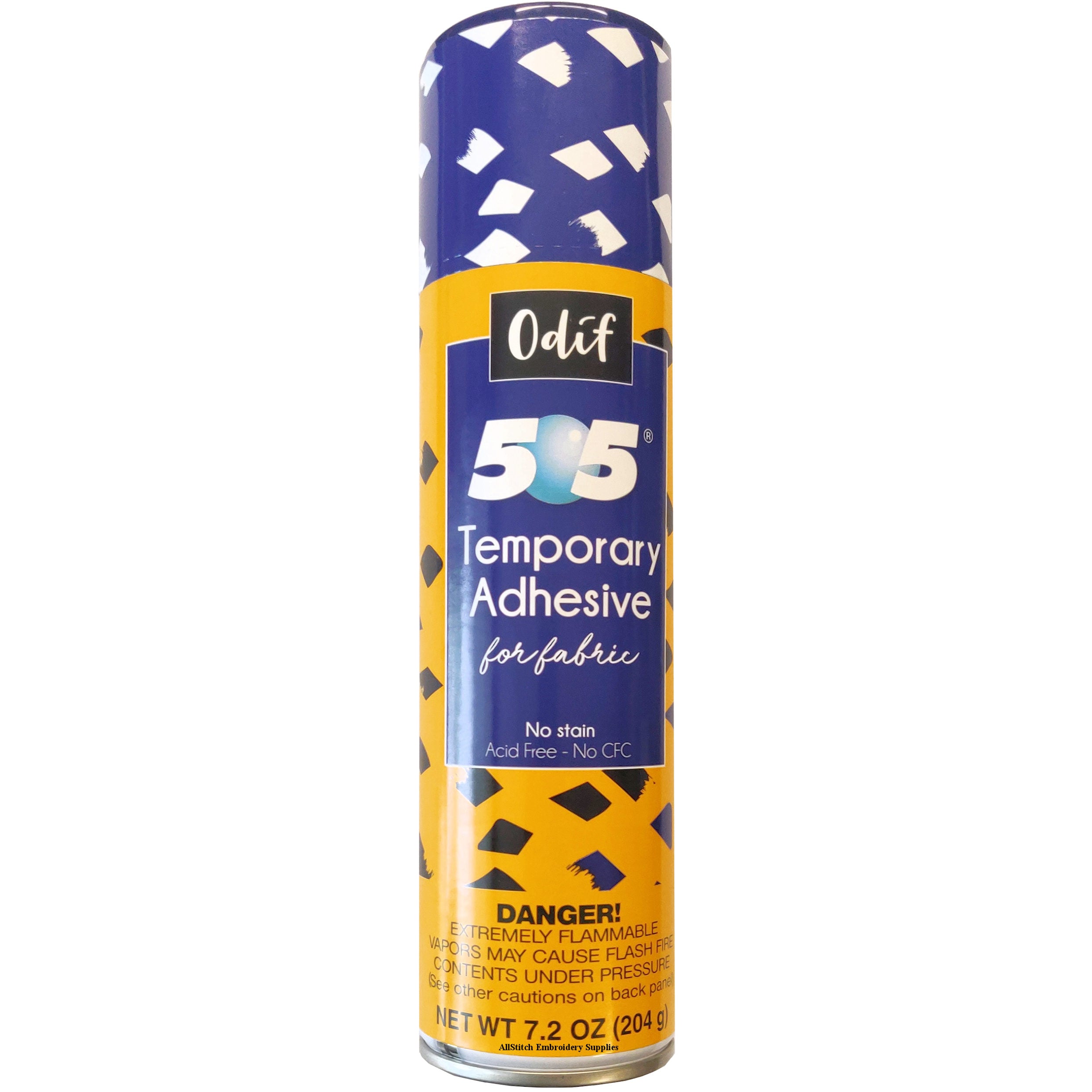
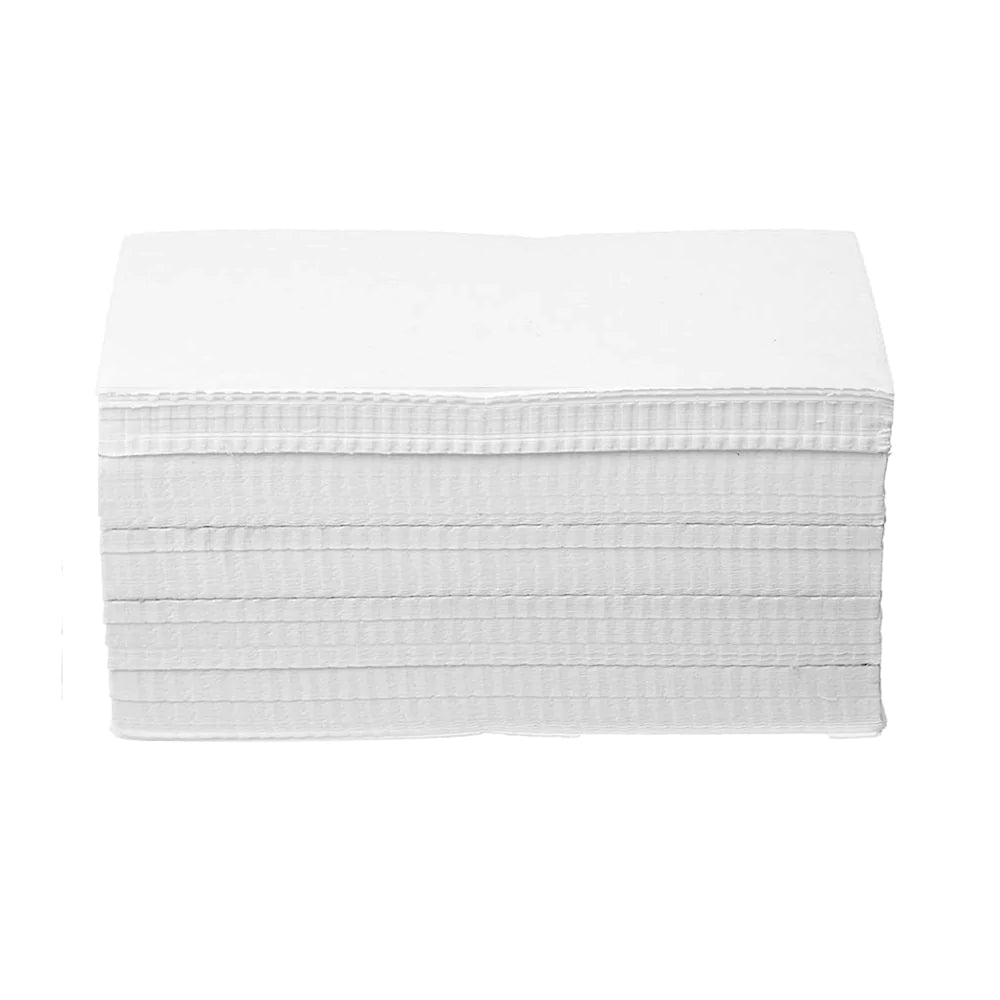
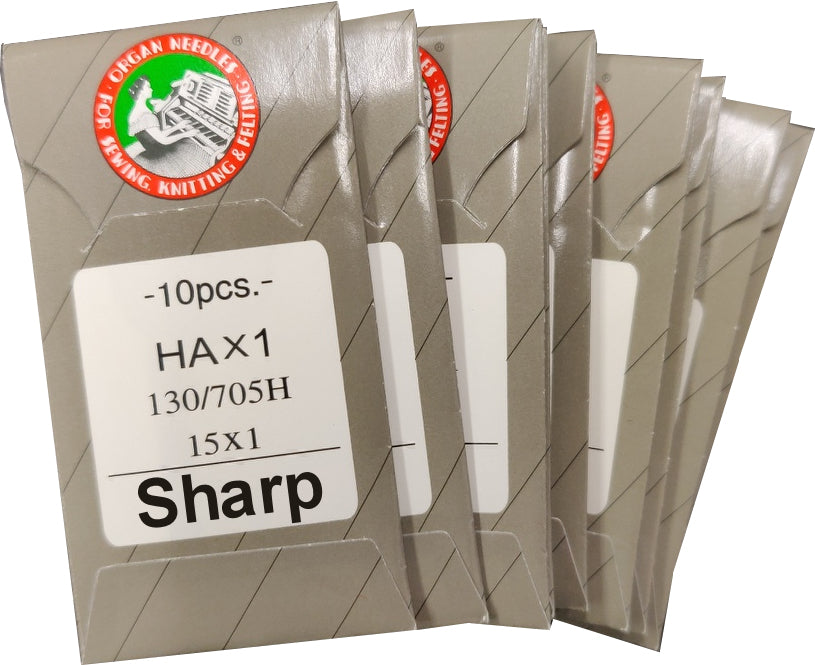
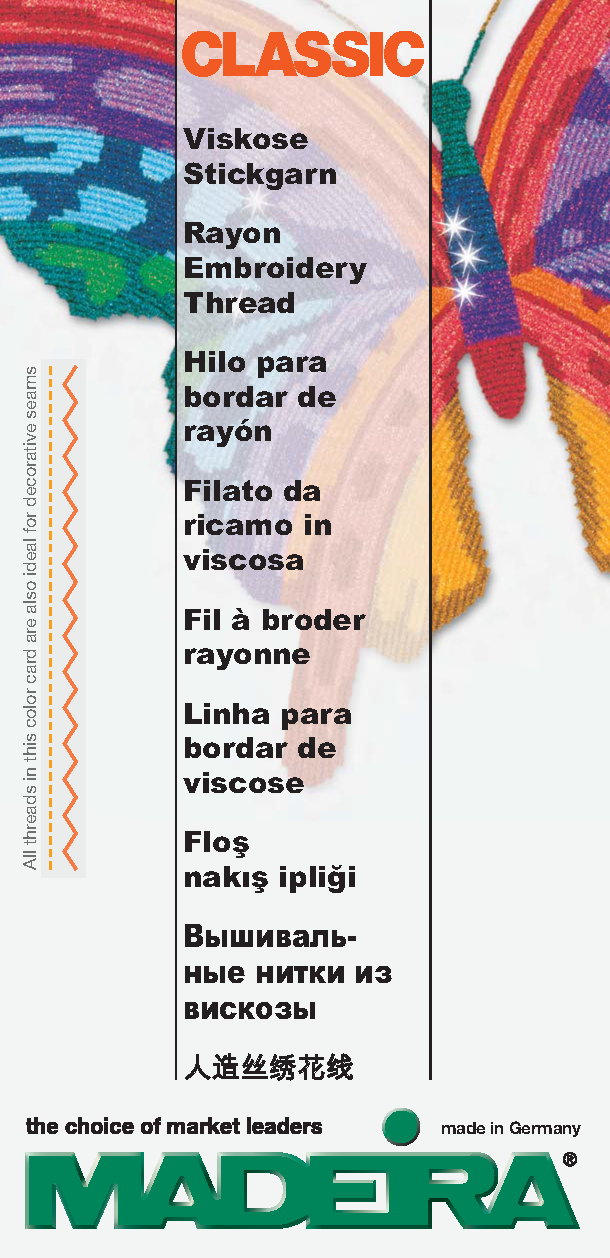
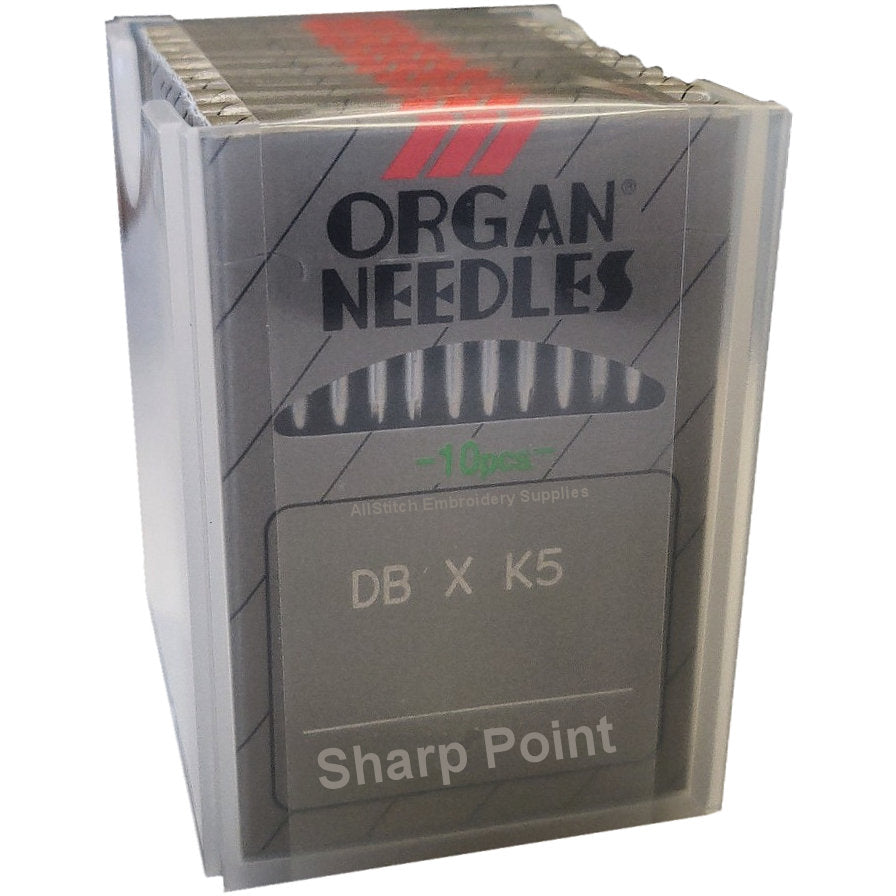
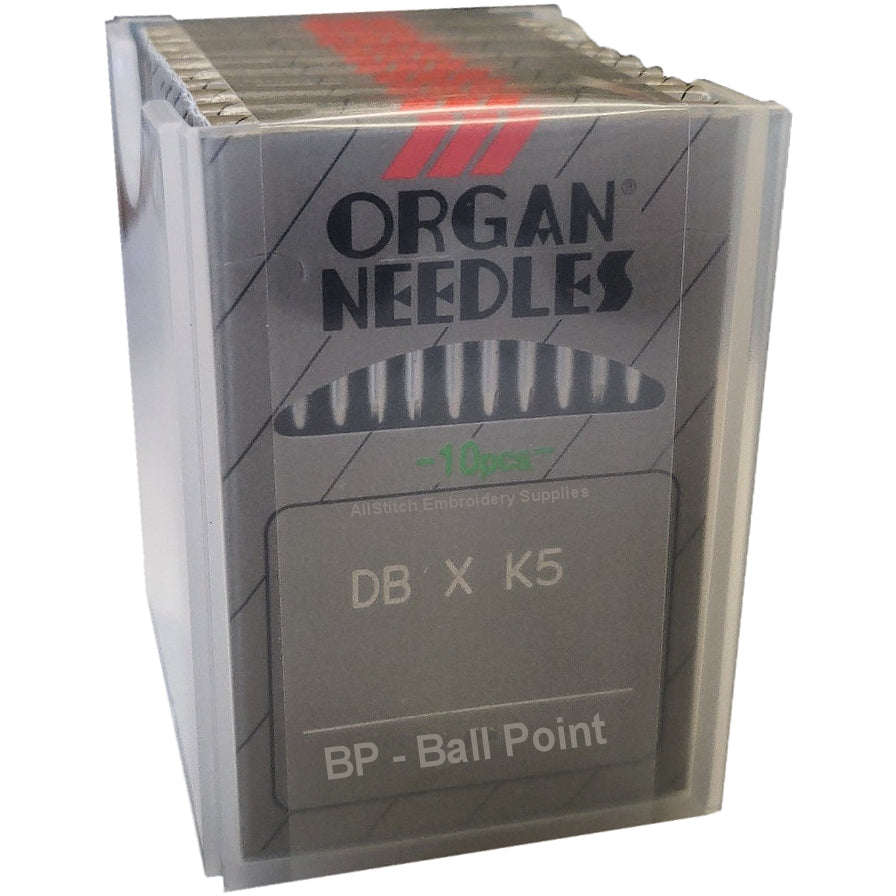
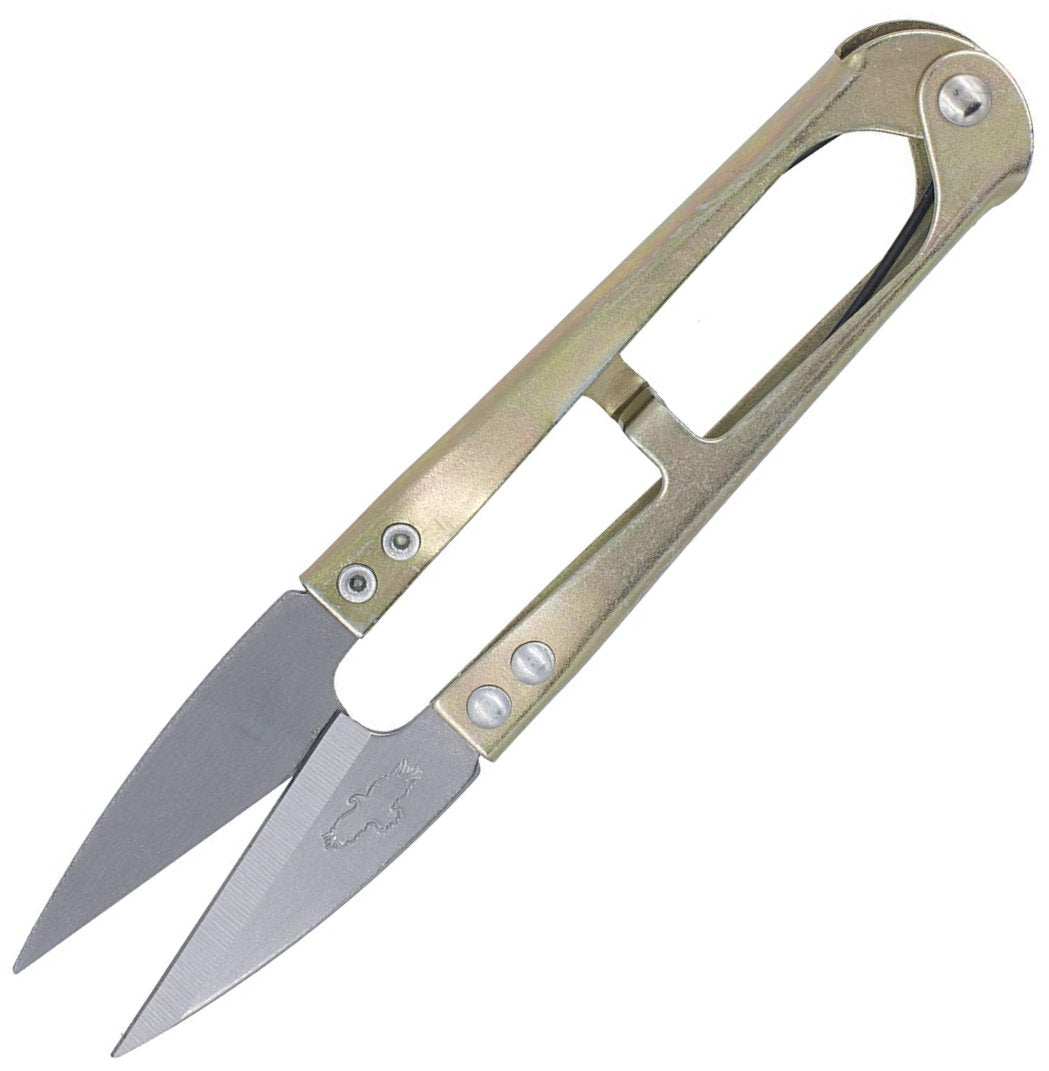
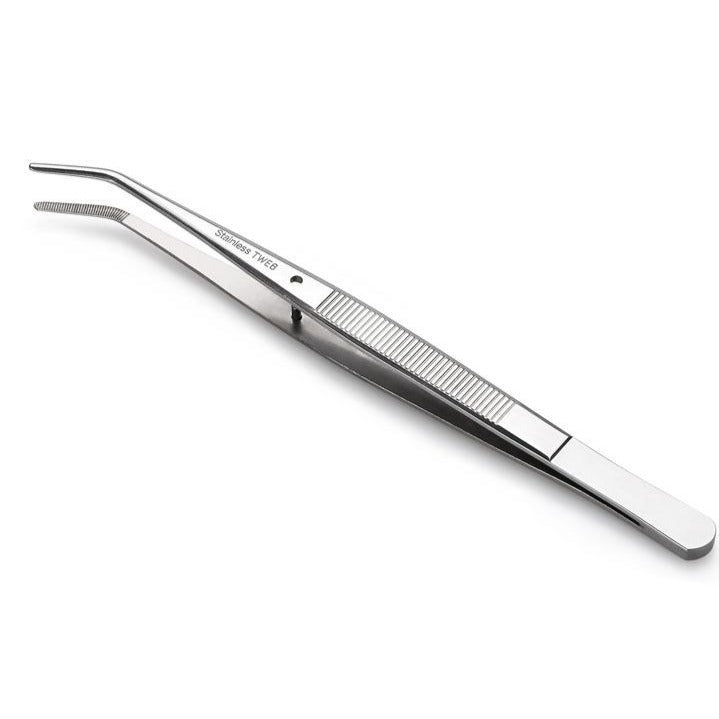
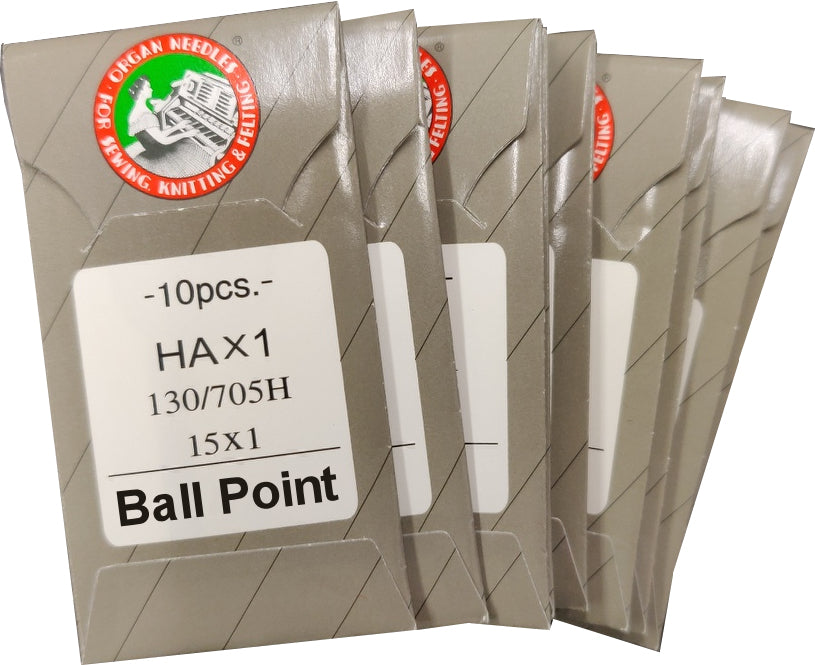
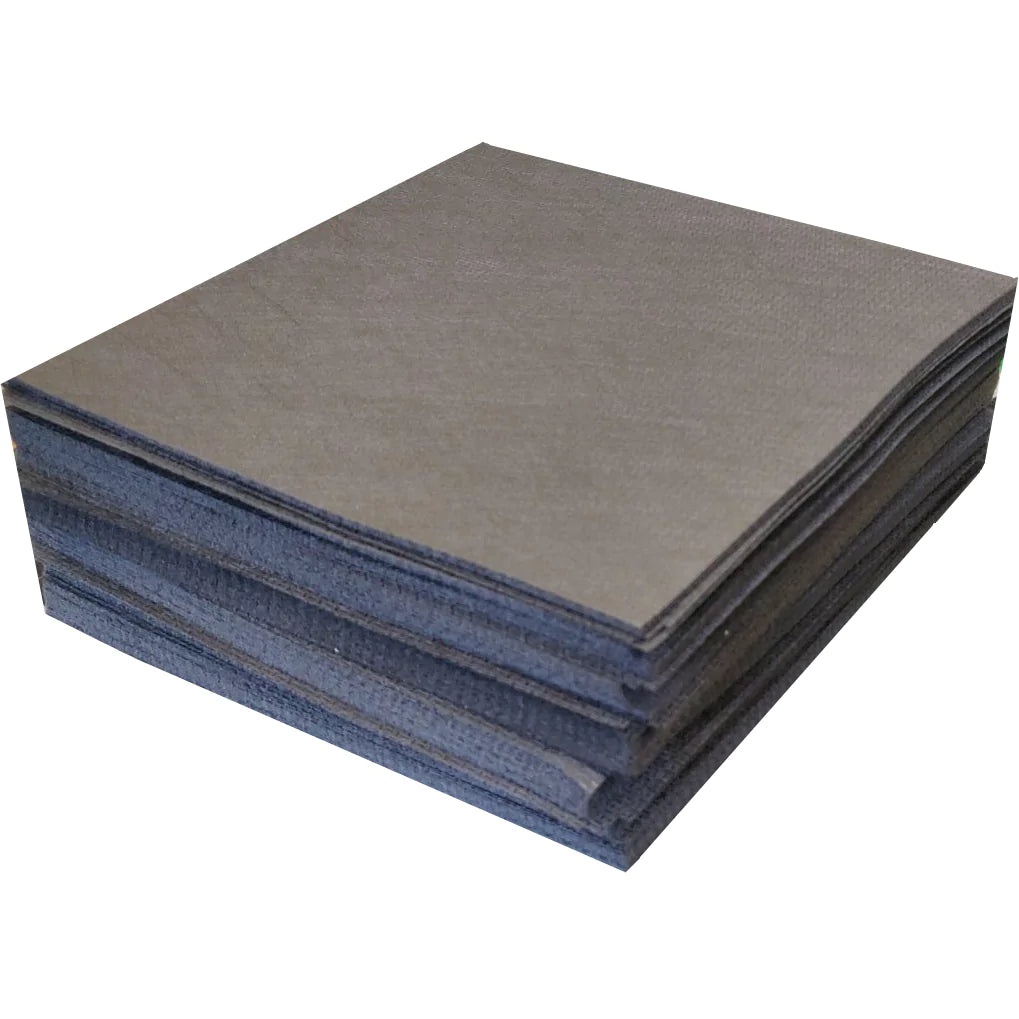
Before you embark on your embroidery journey, it's important to gather the necessary supplies. Here's a list of essential items to get you started.
FAQ's For Beginning Embroidery
Hand embroidery, on the other hand, is a manual technique where you create designs with a needle and thread, typically on fabric in a hoop. Machine embroidery is faster and more precise, while hand embroidery offers more artistic freedom and a more tactile experience.
Design software can open up a world of creative possibilities. There are various software options available, both free and paid, depending on your needs and budget.
Once you have mastered 40 weight thread embroidery, consider moving on to other specially threads such as thinner or thicker versions, metallic threads, glow in the dark threads and eco-friendly Sensa Green just to name a few!
How Do I Convert Madeira Rayon to Polyester / Polyester to Rayon?
Is It Important To Keep My Tension Even?
Incorrect thread tensions can cause issues like birdnesting, thread breaks, or uneven stitching, which can be frustrating.
The jagged-looking stitching and looping occurs when bobbin thread pulls up onto the topside of the garment you’re working on.
Stabilizers not only support the fabric within the machine hoops, they provide a smooth surface to glide over the needle plat resulting in better design registration.
Place the top (or inner hoop) over the bottom hoop with a little pressure and pull the fabric on all sides to remove excess material to the outside of the hoop. Place a bit of pressure with one hand on the bottom part of the hoop and continue to tug slightly on the material ensuring there is no excess material inside the hoop.
While still holding pressure on the bottom of the hoop, press the top of the hoop in place. Your fabric is hoop properly if you can lightly run your finger along the fabric inside the hoop and it does not move.
Always tighten the hoop’s screw prior to hooping the stabilizer and fabric. This may take a few tries to get the proper tightness. Try to avoid pulling on the fabric once it is hoop as this may cause distortion once the embroidered fabric is removed from the hoop.
Common mistakes in machine embroidery include not properly threading the machine, neglecting to use the right stabilizer, poor tension settings, and failing to trim jump stitches between design elements. It's essential to read your machine's manual, practice regularly, and pay attention to detail to avoid these common pitfalls.
Remember, practicing machine embroidery improves the skill, so don't let early mistakes discourage you. Joining an embroidery community can provide helpful advice and support as you begin your embroidery journey.
If you have a specific question, join the embroidery help group
Embroidery machine thread weights are based on the actual weight of a measured length of thread. Because of this, the higher the weight number, the thinner the thread.
Likewise, the lower the thread weight, the thicker the thread weight. 40 weight is the most used thread weight for machine embroidery. 60 weight thread is a thinner thread that provides more clarity for small lettering and fine details.
You want to use a Tear Away stabilizer on more stable woven fabrics or on items where you will see the underside, like towels.
When thread is left exposed, it can accumulate dust and debris from the environment. This can lead to the thread becoming dirty or even damaged, which can affect the quality of your embroidery.
Prolonged exposure to sunlight can cause thread colors to fade over time. Storing your thread in a thread assortment box is something we absolutely recommend.